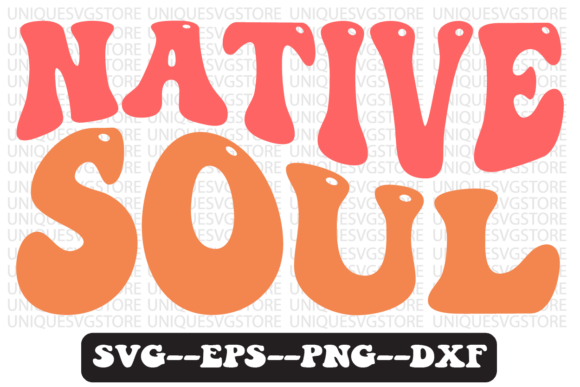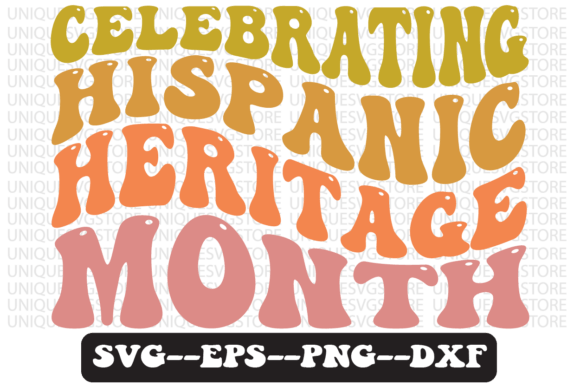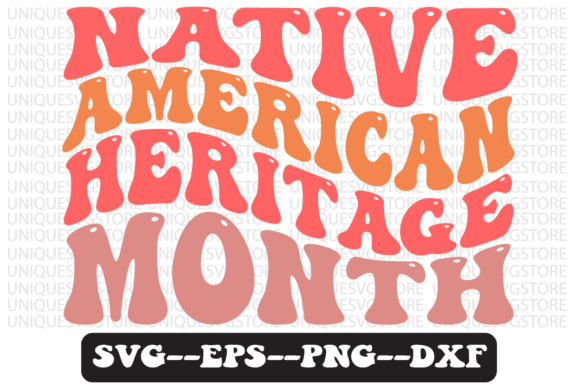
Native American Heritage Month Retro SVG
A Designer’s Real-World First Look
When I opened Native American Heritage Month Retro SVG, my first thought wasn’t “pretty” — it was “purposeful.” The layout balances vintage charm with cultural resonance: clean lines, mid-century-inspired typography, and subtle geometric motifs that nod to Indigenous artistry without appropriation. It doesn’t scream — it invites. That matters. As someone who’s stitched hundreds of designs for Etsy sellers, boutique apparel brands, and custom gift shops, I know this kind of restraint is rare — and valuable. This isn’t a cluttered, trend-chasing graphic. It’s a quiet statement piece, built for meaning, not just merch.
How It Stitches — Not Just How It Looks on Screen
I tested Native American Heritage Month Retro SVG as a machine embroidery design on a medium-weight cotton tote bag — the kind small shops use for holiday markets and local pride events. Right away, the retro styling translated well: the letterforms held crisp edges under satin stitch, and the open negative space kept fill stitch density manageable. No puckering. No thread nesting. On a sweatshirt? Same story — especially with tear-away + cutaway stabilizer combo. The design’s moderate width (roughly 4–5 inches wide) fits comfortably in standard 5x7 hoops, making it accessible for home-based crafters and small shop owners without industrial machines.
But here’s where attention matters: the smaller decorative elements — like the stylized feather motif tucked beside the text — need careful hooping. On stretchy fabric (think baby onesies or lightweight tees), those fine curves can distort if tension isn’t dialed in. I recommend testing that section separately on scrap knit before committing to a full run. And while it works beautifully as a standalone embroidered patch or pillow cover design, avoid placing it near seams, curved hems, or cap crowns unless you’ve pre-tested hoop alignment — the symmetry relies on flat, stable ground.
Where It Shines — and Where It Needs Guardrails
This design excels in contexts where authenticity meets approachability. Think: a limited-run embroidered apron for a Native-owned café, a set of kitchen towels for a heritage-themed boutique, or personalized baby blankets for families honoring intergenerational ties. It reads warmly on light fabric — cream linen, oatmeal cotton, heather grey fleece — and gains quiet strength on dark backgrounds when paired with high-contrast thread (navy + cream, charcoal + gold). But skip it for ultra-thin fabrics like voile or rayon challis without heavy backing; the line weight isn’t delicate enough to float gracefully there.
For Etsy sellers and handmade shop owners, Native American Heritage Month Retro SVG adds gravitas to seasonal listings — especially when bundled with printable mockups showing it on hoodies, totes, and tea towels. It avoids cliché while still feeling instantly recognizable as celebratory. That balance builds customer trust: buyers don’t have to decode intent. They feel seen.
Real Project Snapshot: A Holiday Tote Bag Series
Last November, I used this design to create a trio of embroidered canvas totes for a local co-op — one for Native American Heritage Month, one for Hispanic Heritage Month (yes, the same file works contextually, thanks to its adaptable phrasing), and one bilingual version. Customers responded strongly to the cohesive retro aesthetic across all three. One repeat buyer told me she gifted the Native American Heritage tote to her daughter’s teacher — “because it felt respectful, not rushed.” That’s the win: this isn’t fast-decor. It’s thoughtful decor.
Design Integrity in Action
What makes Native American Heritage Month Retro SVG stand out among Crafts category graphics isn’t novelty — it’s consistency. The rhythm of spacing, the evenness of stroke weight, the breathing room around text — these aren’t accidents. They translate directly into stitching clarity. No tiny serifs to vanish under fill stitch. No overlapping layers that cause registration drift. That means less re-hooping, fewer thread breaks, and more predictable results across batches — critical for small business owners juggling custom orders and inventory prep.
It also supports brand cohesion. Whether you’re an embroidery studio offering monogrammed gifts or a digital product seller curating themed bundles, this design holds its own alongside botanicals, typographic quotes, or minimalist icons — never clashing, always complementing. Its retro tone doesn’t date it; it roots it.
Practical Notes Every Embroiderer Should Check
- Test first — Stitch the full design on scrap fabric matching your final substrate (e.g., terry cloth for towels, fleece for blankets).
- Review thread colors — The retro palette leans earthy, but confirm contrast on your chosen background before bulk production.
- Check stitch density — Especially in solid-letter areas. Overly dense fills can stiffen lightweight garments.
- Confirm hoop size compatibility — While it fits standard hoops, double-check dimensions if using specialty frames (like cap hoops or magnetic hoops).
- Inspect small details — Zoom in on vector files or PNG previews to verify crisp edges on feathers, dots, or thin bars.
- Mock it up in black and white — Helps spot unintended visual weight imbalances.
- Use proper stabilizer — Medium-weight cutaway works best for structured items; tear-away + topping for textured surfaces like towels.
- Verify licensing — Since this is marketed as a printable product for T-shirts, onesies, and hoodies, confirm whether commercial embroidery rights are included before selling finished embroidered goods.
Final Thought: Design With Intention
Native American Heritage Month Retro SVG isn’t just another Graphics download. It’s a tool for storytelling — one that asks you to pause, consider context, and choose placement with care. Used well, it elevates a simple tote bag into a conversation starter, turns a baby onesie into a keepsake, and gives small shop merchandise quiet authority. That’s the mark of strong design: it doesn’t shout to be noticed. It earns attention by showing up — respectfully, clearly, and consistently.